Table of Contents
WHS Compliance & Asset Management: How to Keep Everything Trackable
In today’s fast-paced world, maintaining WHS compliance and managing assets efficiently isn’t just a regulatory requirement—it’s a key factor in protecting your people, equipment, and reputation. Every organisation operating in Australia is expected to maintain workplace health and safety (WHS) records, perform regular inspections, and establish control measures that reduce risks. Yet, many businesses still struggle with fragmented record keeping and manual processes.
This article explores how a structured management system can help your business streamline work health and safety procedures, track assets, and ensure compliance with Australian standards. By leveraging tools like WorkDash, you can simplify risk management, automate record keeping, and achieve full visibility into WHS compliance—giving your team the confidence to operate safely and effectively.
What Is WHS Compliance and Why Does It Matter for Australian Businesses?
WHS compliance refers to meeting all workplace health and safety obligations under Safe Work Australia and state-based legislation. These rules exist to help organisations identify hazards, eliminate or reduce the risks, and protect workers from harm.
For Australian businesses, maintaining WHS compliance is non-negotiable. Non-compliance can result in significant fines, reputational damage, or even prosecution. More importantly, it compromises the safety and morale of employees—something no organisation can afford.
With WorkDash, businesses can stay on top of their compliance requirements using built-in tools for incident reporting, risk assessment, and audit tracking—ensuring every step of your WHS practices is documented and accessible in one secure place.
How a Centralised WHS Management System Keeps Your Organisation Safe
A dedicated management system for WHS compliance provides structure, visibility, and control. It consolidates all workplace health and safety data—such as inspections, incident reports, and maintenance records—into a single, trackable platform.
This centralised approach improves risk management by allowing you to see patterns and take proactive action before problems escalate. For example, WorkDash acts as a safety management software that integrates control measures, employee training, and asset monitoring—all within a single interface.
Instead of relying on scattered spreadsheets or emails, a structured management system gives your organisation a clear view of its compliance status—helping you maintain a safe workplace and meet legislative requirements efficiently.
What Are the Key Components of a Strong WHS Compliance Framework?
Effective WHS compliance requires more than a few policies—it demands an organised framework that covers every aspect of workplace health and safety.
The key components include:
Hazard identification and control measures
Risk assessments and audits
Regular safety inspections
Incident reporting and follow-ups
Record keeping and version control
WorkDash helps organisations meet all these requirements by automating record keeping, standardising forms, and storing documentation securely in the cloud. Each entry is time-stamped and easily retrievable, ensuring your organisation always has access to accurate WHS records when needed.
Why Hazard Identification Is the Foundation of Workplace Health and Safety
Every risk management strategy starts with hazard identification. Before you can eliminate or reduce the risks, you must understand what could go wrong.
Hazards can be physical, chemical, biological, or psychological. Common examples include hazardous chemicals, machinery malfunctions, or even stress-related psychological hazards. Identifying potential hazards early allows your organisation to apply the right control measures before harm occurs.
With WorkDash, field workers can report hazards directly from their mobile devices, attach photos, and update control measures in real time. This proactive approach ensures all hazards identified are logged, tracked, and resolved systematically—reducing non-compliance risks and improving safety performance.
How Risk Assessments Support Better Compliance and Decision-Making
A risk assessment evaluates how likely a hazard is to cause harm and how severe the impact might be. It’s a cornerstone of effective WHS compliance and helps organisations allocate resources efficiently.
By conducting regular risk assessments, businesses can ensure control measures remain effective and adjust them as conditions change. For example, changes in processes, equipment, or workforce may introduce new WHS risks.
WorkDash provides digital templates for risk management and audit findings, allowing users to standardise their approach to WHS and maintain up-to-date records. This ensures your organisation’s risk management approach is both dynamic and compliant with Australian standards.
How Regular Inspections and Audits Improve WHS Compliance
Regular safety inspections and audits are essential for verifying that control measures in place are working as intended. They also help identify areas for improvement in your safety policies and procedures.
By scheduling and tracking these tasks through WorkDash, businesses can ensure inspections happen on time and that audit results are properly documented. Digital checklists make it easier for teams to follow whs policies and procedures, while automatic reminders ensure nothing falls through the cracks.
This continuous review process helps your organisation maintain strong compliance, detect non-compliance issues early, and promote a culture of continuous improvement in work health and safety.
Why Record Keeping Is the Backbone of WHS Compliance
Accurate record keeping is more than a legal requirement—it’s a way to demonstrate accountability and transparency within your organisation.
WHS records such as incident reporting, training logs, and audit results serve as evidence of your compliance efforts. They also help you analyse trends, identify areas of risk, and measure the effectiveness of control measures.
WorkDash automates record keeping with built-in templates, cloud storage, and data encryption. Managers can access and share records securely, while the system ensures all information is version-controlled and easy to retrieve during audits or investigations.
How Asset Management and WHS Go Hand in Hand
Asset management plays a critical role in maintaining workplace health and safety. Faulty equipment or neglected machinery or equipment can pose serious risks. That’s why tracking maintenance schedules, inspections, and calibration dates is essential for compliance.
WorkDash combines asset management and safety management into one platform, allowing you to monitor both equipment condition and related WHS compliance requirements. Each asset can be tagged with inspection dates, assigned owners, and automatic reminders—ensuring complete visibility across your organisation.
This integration ensures control measures are implemented consistently and non-compliance risks related to asset failure are significantly reduced.
How Management Software Simplifies Compliance and Reporting
Manual WHS systems often lead to data duplication, missed tasks, and incomplete records. Management software like WorkDash solves this by simplifying compliance tracking and automating workflows.
The system makes it easy to create digital checklists, assign inspections, and capture audit data in real time. By using software like WorkDash, organisations can reduce admin workload and focus on improving safety performance instead of managing paperwork.
This digitised compliance system not only saves time but also helps businesses maintain peace of mind knowing that all records are accurate, accessible, and compliant with Safe Work Australia standards.
How WHS Compliance Builds a Safer, More Engaged Organisation
WHS compliance doesn’t just meet legal requirements—it creates a workplace where employees feel safe, supported, and valued. Employee engagement rises when staff see that management takes work health and safety seriously.
A strong safety management culture fosters trust and accountability. Workers are more likely to report hazards, follow safety policies, and participate in regular training.
With WorkDash, managers can track participation, measure safety performance, and ensure all policies and procedures are being followed. This proactive approach to WHS improves morale, reduces incidents, and ensures everyone contributes to maintaining a safe workplace.
How WorkDash Helps Australian Businesses Achieve WHS Compliance
For Australian businesses, staying compliant across multiple job sites can be challenging—especially for small and medium organisations. That’s where WorkDash provides a competitive advantage.
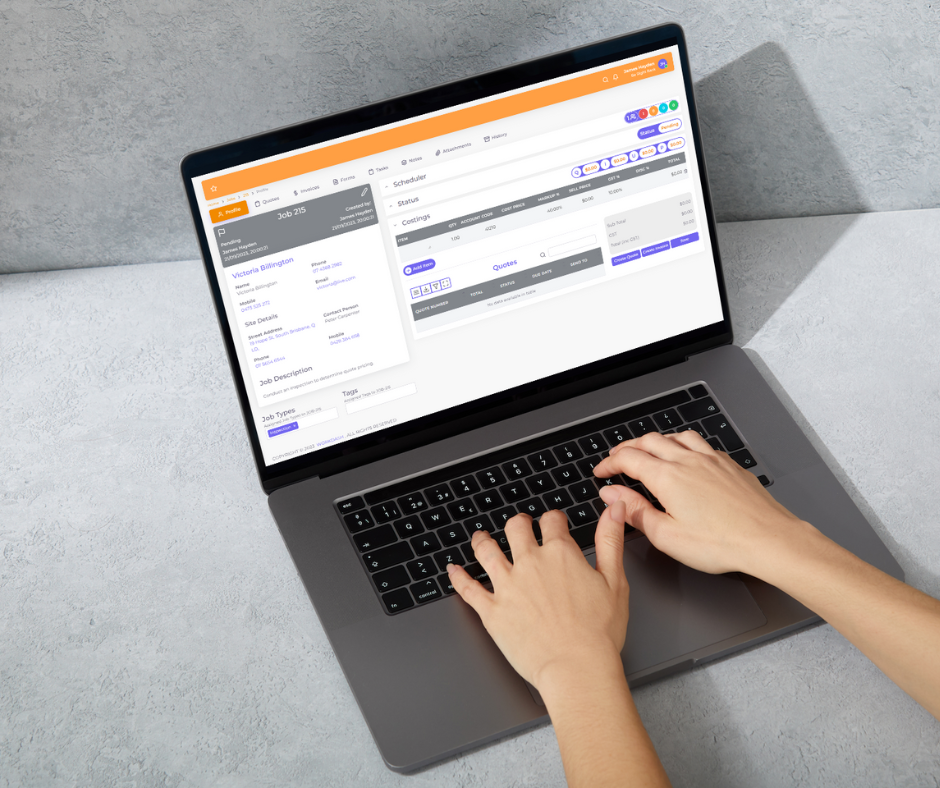
WorkDash acts as a health and safety compliance system, combining risk management, record keeping, and inspection automation into one easy-to-use platform. From field teams to office managers, everyone can access the same WHS compliance data in real time.
The platform’s customisable templates, reporting dashboards, and audit tools help simplify compliance processes while improving organisation’s visibility and efficiency. In short, WorkDash gives Australian businesses the tools to stay compliant, manage risk, and foster peace of mind every day.
Key Takeaways: Keeping Your Workplace Safe and Compliant
WHS compliance is essential for all Australian organisations to protect employees and avoid fines.
A digital management system like WorkDash centralises your safety management and asset management processes.
Regular risk assessments, inspections, and audits help identify hazards and ensure effective control measures are maintained.
Automated record keeping ensures full visibility into your WHS records and compliance status.
Combining compliance tracking with asset management simplifies reporting and improves operational reliability.
A strong safety management culture fosters engagement, accountability, and ongoing improvement.
In conclusion, maintaining WHS compliance and managing assets effectively requires structure, visibility, and automation. Tools like WorkDash.software simplify these processes by digitising record keeping, standardising risk assessments, and improving inspection tracking. Whether you manage one site or many, WorkDash gives your team the power to stay compliant, reduce risks, and keep your workplace safe—with complete confidence and peace of mind.