Table of Contents
Inventory Management 101 for Small Business: Track Stock, Tools, and Parts Without the Headache
Inventory may not be the most exciting part of running a business, but poor inventory management is one of the fastest ways to lose money, frustrate customers, and slow growth. Whether you operate a service-based business, manage tools and parts, or run a retail business, knowing exactly what inventory you have, where it is, and when to reorder is essential.
This guide explains Inventory Management 101 in practical terms. You will learn what inventory management really means, how small businesses can track stock without complexity, and how modern inventory management software inside WorkDash helps businesses manage inventory as part of a wider business management platform—not a rigid ERP. If inventory feels messy, manual, or stressful, this article is designed to remove the headache.
Article Outline: Inventory Management 101 Explained
1. What Is Inventory Management and Why Does It Matter?
2. How Inventory Management Works for a Small Business
3. What Are Common Inventory Management Problems?
4. How to Track Inventory and Stock Levels Accurately
5. Inventory Control Techniques That Actually Work
6. How Inventory Management Software Simplifies Stock Tracking
7. Managing Inventory Items, Tools, and Parts in One System
8. Inventory Management Strategies for Efficiency and Growth
9. What Is the Future of Inventory Management for Small Businesses?
10. How WorkDash Simplifies Inventory Management Without ERP Complexity
What Is Inventory Management and Why Does It Matter?
Inventory management is the process of ordering, storing, tracking, and using inventory efficiently. Inventory includes everything a business holds to deliver products or services—stock, tools, spare parts, and finished goods inventory. Without proper inventory management, businesses risk running out of stock, holding too much inventory, or losing visibility over inventory value.
For a small business, inventory management directly impacts cash flow, customer satisfaction, and operational efficiency. Too much inventory ties up capital, while too little inventory leads to delays and lost revenue. Effective inventory management ensures the right inventory is available at the right time, without unnecessary cost or complexity.
How Inventory Management Works for a Small Business
Inventory management for a small business is very different from enterprise-scale inventory planning. Small businesses need flexible systems that support daily operations without heavy overhead. This means tracking inventory items accurately, updating inventory records in real time, and understanding current inventory levels at a glance.
Good inventory management systems allow business owners to manage inventory without spreadsheets or guesswork. By using simple inventory tracking tools integrated into a management system, small businesses can maintain accurate inventory, track stock on hand, and make informed purchasing decisions.
What Are Common Inventory Management Problems?
Many businesses struggle with common inventory management issues such as excess inventory, dead stock, and running out of stock unexpectedly. Poor inventory management often results from outdated processes, manual inventory counts, or disconnected systems.
Other common problems include inaccurate inventory records, lack of visibility across locations, and difficulty tracking tools used in the field. Without an effective inventory management strategy, businesses experience higher inventory costs, unsold inventory, and operational delays.
How to Track Inventory and Stock Levels Accurately
To track inventory effectively, businesses must maintain up-to-date inventory records and monitor stock levels consistently. Accurate inventory tracking requires knowing what inventory is on hand, what is in use, and what needs replenishing.
Modern inventory management systems provide real-time inventory updates, allowing businesses to track stock levels automatically as inventory moves. This eliminates the need for manual data entry and reduces errors, ensuring inventory levels are always accurate and reliable.
Inventory Control Techniques That Actually Work
Inventory control is about setting rules and processes that prevent overstocking or shortages. One proven inventory management technique is setting minimum and maximum stock levels to ensure availability without holding too much inventory.
Techniques such as safety stock, inventory turnover monitoring, and regular inventory counts help businesses maintain control. By tracking inventory turnover ratio and monitoring aging inventory, businesses can identify dead stock early and optimise inventory flow.
How Inventory Management Software Simplifies Stock Tracking
Inventory management software replaces spreadsheets and paper-based tracking with automated systems. Inventory software updates inventory data automatically when stock is used, sold, or reordered.
For small businesses, inventory management software integrated into broader management systems reduces complexity. Instead of managing separate tools for inventory, orders, and jobs, businesses can manage inventory as part of one unified workflow.
Managing Inventory Items, Tools, and Parts in One System
Inventory is not just about products—it includes tools, spare parts, and assets used in daily operations. A comprehensive inventory management solution allows businesses to track inventory items across jobs, locations, and team members.
With proper inventory management, businesses can see which tools are assigned, track physical inventory counts, and update inventory records instantly. This level of visibility prevents losses, improves accountability, and supports asset management.
Inventory Management Strategies for Efficiency and Growth
An effective inventory management strategy aligns inventory with business goals. This means balancing inventory levels with demand, improving inventory forecasting, and reducing costly inventory mistakes.
By using forecasting tools and analysing inventory data, businesses can plan purchases more accurately. Efficient inventory management improves productivity, reduces waste, and supports business growth without increasing overhead.
What Is the Future of Inventory Management for Small Businesses?
The future of inventory management is digital, connected, and real time. Small businesses are moving away from rigid warehouse management systems toward flexible inventory tools that integrate with daily operations.
Future inventory management focuses on real-time inventory visibility, automation, and predictive insights. Businesses that adopt modern inventory management systems gain better control, lower costs, and improved inventory performance.
How WorkDash Simplifies Inventory Management Without ERP Complexity
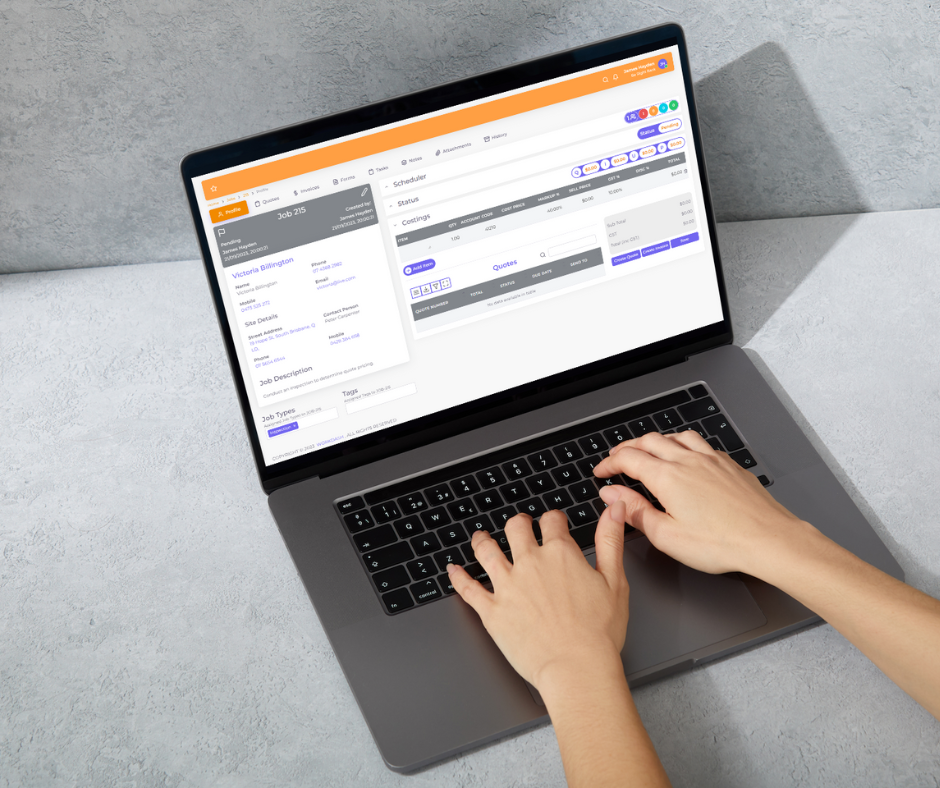
WorkDash provides inventory management as part of a broader business management platform, not an ERP. It is designed for small businesses that need to track stock, tools, and parts without enterprise-level complexity.
With WorkDash, businesses can manage inventory, update inventory records, monitor stock levels, and link inventory directly to jobs and workflows. This integrated approach simplifies inventory management, improves accuracy, and removes the headache of managing inventory across disconnected systems.
Key Takeaways: Inventory Management Without the Headache
Inventory management is essential for controlling costs and improving efficiency
Small businesses need flexible inventory systems, not ERP complexity
Accurate inventory tracking prevents running out of stock
Inventory control techniques reduce excess inventory and dead stock
Inventory management software automates tracking and updates
Real-time inventory improves visibility and decision-making
Tracking tools and parts is just as important as tracking stock
Good inventory management supports business growth
The future of inventory management is real time and automated
WorkDash simplifies inventory management inside one platform