
Table of Contents
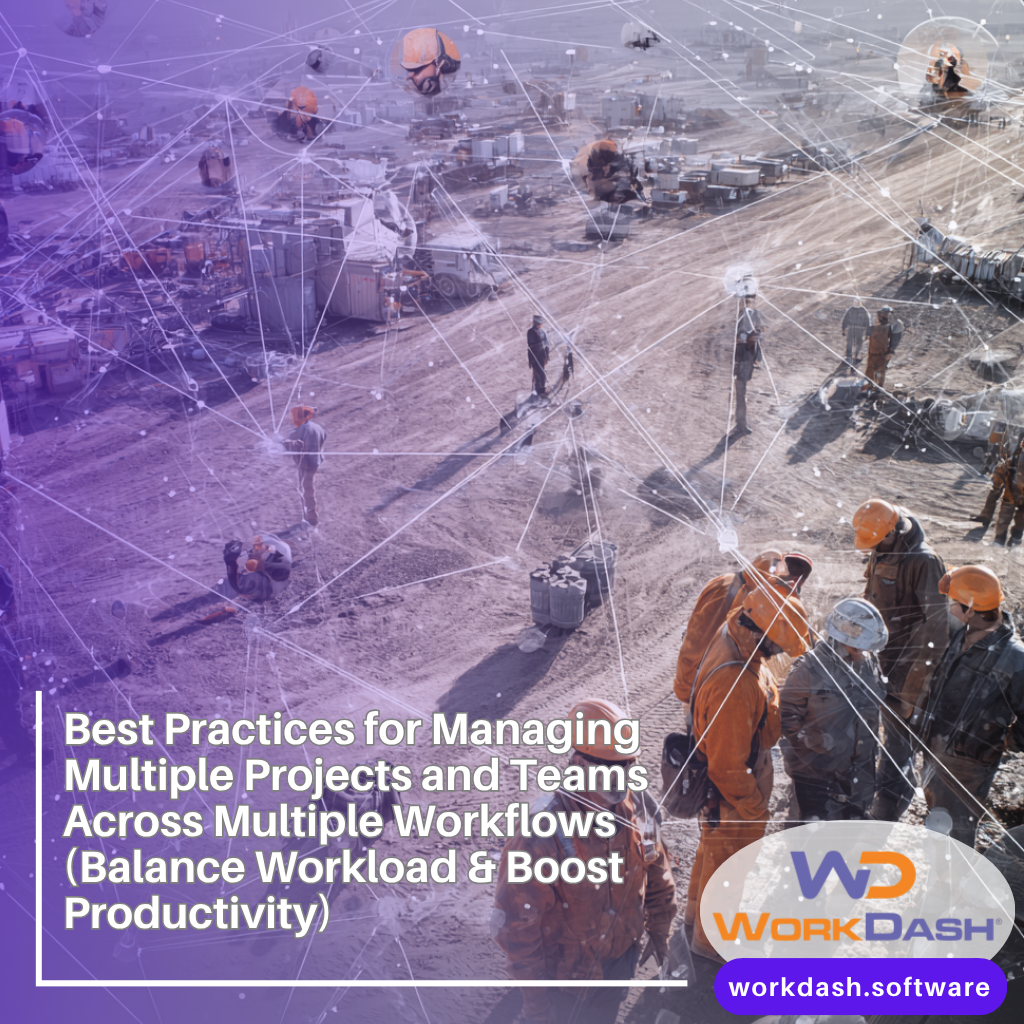
Best Practices for Managing Multiple Projects and Teams Across Multiple Workflows (Balance Workload & Boost Productivity)
Managing a growing business today means learning how to manage multiple projects, coordinate teams across multiple workflows, and maintain high productivity without missing a deadline. Whether you’re handling field teams, office staff, or remote workers, balancing multiple projects efficiently is one of the biggest challenges modern businesses face.
This guide explores the best practices for managing multiple projects and managing multiple teams effectively—helping you streamline operations, reduce chaos, and ensure every project stays on track. If you’re managing several projects at the same time and want to improve performance, this article will give you proven strategies and practical insights.
Article Outline
1. Why Is It a Common Challenge to Manage Multiple Projects and Teams Across Multiple Workflows?
2. What Are the Biggest Challenges of Managing Multiple Projects Simultaneously?
3. How Can You Prioritize Tasks When Managing Multiple Projects Successfully?
4. What Are the Best Practices for Managing Multiple Teams Effectively Across Projects?
5. How Does Workflow Optimization Improve Productivity Across Multiple Projects?
6. Why Should You Centralize Work to Manage Multiple Projects Without Confusion?
7. How to Delegate Tasks and Balance Workload Across Teams Across Multiple Projects
8. What Role Does Project Management Software Play in Multi-Project Management?
9. How Can Teams Work Across Projects Without Missing Deadlines?
10. What Strategies Help You Manage Multiple Projects Successfully and Make the Most Impact?
1. Why Is It a Common Challenge to Manage Multiple Projects and Teams Across Multiple Workflows?
The need to manage multiple projects has become the norm for many businesses. However, coordinating teams across multiple workflows often leads to confusion, especially when there is no clear system in place.
One of the biggest issues is visibility. Without a central platform, project managers struggle to see how work is progressing across multiple projects, making it difficult to keep everything aligned. This often results in missed deadlines and reduced productivity.
Another factor is the increasing complexity of modern businesses. Managing different projects simultaneously requires strong coordination and structured processes. Without these, it becomes a common challenge for any organisation trying to scale.
2. What Are the Biggest Challenges of Managing Multiple Projects Simultaneously?
The challenges of managing multiple projects include juggling priorities, handling resource constraints, and ensuring that team members are not overwhelmed.
When managing several projects, project managers often struggle with balancing workload across teams. This can lead to burnout and decreased productivity if not handled properly.
Another key issue is communication. When teams are working on different projects, it becomes harder to maintain alignment. This lack of coordination can create bottlenecks and slow down progress.
3. How Can You Prioritize Tasks When Managing Multiple Projects Successfully?
To manage multiple projects successfully, prioritization is essential. Project managers must identify high-priority tasks and allocate resources accordingly.
A clear way to prioritize involves breaking down projects into smaller tasks and assigning deadlines. This ensures that critical tasks are completed first and reduces the risk of delays.
Using structured systems helps project managers manage their time more effectively. It also ensures that teams stay focused on important tasks, improving overall efficiency.
4. What Are the Best Practices for Managing Multiple Teams Effectively Across Projects?
Managing multiple teams requires clear communication and well-defined roles. Each team member should understand their responsibilities and how their work contributes to the overall project.
To manage multiple teams effectively, it’s important to set clear expectations and maintain consistent communication. This helps teams stay aligned and reduces confusion.
Additionally, project managers should use strategies to help teams collaborate efficiently. This includes using shared tools and maintaining transparency across all projects.
5. How Does Workflow Optimization Improve Productivity Across Multiple Projects?
Optimising workflow is key to improving productivity when handling multiple projects. A structured workflow ensures that tasks are completed efficiently and reduces unnecessary delays.
Workflow improvements also help teams stay on track. By standardising processes, businesses can reduce errors and improve consistency across projects.
When workflow is streamlined, teams can focus on delivering results rather than dealing with inefficiencies. This leads to better performance and higher productivity.
6. Why Should You Centralize Work to Manage Multiple Projects Without Confusion?
Centralising work is one of the most effective ways to manage multiple projects without confusion. A single source of truth ensures that all information is accessible in one place.
When teams use different tools, it creates disconnect and inefficiencies. By centralising operations, businesses can improve visibility and coordination.
This approach also helps project managers track progress across projects more effectively. It ensures that everyone is aligned and working towards common goals.
7. How to Delegate Tasks and Balance Workload Across Teams Across Multiple Projects
Delegation is critical for managing multiple projects. Project managers must assign tasks based on team members’ skills and availability.
Balancing workload ensures that no team member is overwhelmed. It also improves efficiency and helps teams perform at their best.
Effective delegation also allows project managers to focus on strategic decisions rather than day-to-day tasks, improving overall project outcomes.
8. What Role Does Project Management Software Play in Multi-Project Management?
A project management tool is essential for handling multiple projects. It provides a central platform for tracking tasks, managing deadlines, and coordinating teams.
Modern project management software allows businesses to centralise operations and improve visibility. It also enables better collaboration across teams.
Using such tools helps businesses streamline processes and improve efficiency. It ensures that all projects are managed effectively and stay on track.
9. How Can Teams Work Across Projects Without Missing Deadlines?
Working across projects requires careful planning and coordination. Teams must have clear timelines and well-defined responsibilities to ensure that deadlines are met.
Project managers need to monitor progress regularly and make adjustments as needed. This helps prevent delays and keeps projects on track.
By maintaining clear communication and using effective tools, teams can work efficiently across multiple projects without compromising quality.
10. What Strategies Help You Manage Multiple Projects Successfully and Make the Most Impact?
To manage multiple projects successfully, businesses must adopt effective strategies and the right tools. This includes prioritising tasks, centralising operations, and improving communication.
Project managers should also focus on continuous improvement. By analysing performance and identifying areas for improvement, businesses can enhance their processes.
Ultimately, the goal is to make the most impact by delivering successful projects consistently. This requires a combination of strong leadership, effective tools, and well-defined processes.
Key Takeaways
- Managing multiple projects is a common challenge for growing businesses
- Prioritisation is essential to ensure critical tasks are completed on time
- Effective communication helps manage multiple teams efficiently
- Workflow optimisation improves productivity and reduces delays
- Centralising operations provides better visibility and coordination
- Delegation helps balance workload and improve team performance
- Project management software is essential for multi-project management
- Teams can meet deadlines with proper planning and coordination
- Adopting best practices ensures successful project delivery
- The right strategies and tools help businesses make the most impact