Table of Contents
The Onboarding Process That Drives Productivity: How to Use WorkDash for an Effective Employee Onboarding Process and Onboard Staff Fast
Short summary:
A great tool is only as powerful as the team using it. If you want your people to adopt WorkDash quickly, confidently, and correctly, you need a clear onboarding process. This guide shows you how to onboard your team to WorkDash job management fast with an effective onboarding approach that boosts productivity, helps new starters feel confident, and turns the employee onboarding process into a repeatable advantage. You’ll get practical steps, checklists, and a rollout plan that fits real teams—because WorkDash is a business management platform (not an ERP) designed to be simple, fast, and scalable.
Article Outline
What Is the Onboarding Process and Why Does It Matter for a New Employee?
How Do You Design an Effective Onboarding Experience for New Hires Using WorkDash?
How Can You Use a Checklist and Workflow to Onboard Staff Faster?
How Do You Help New Employees Feel Welcome and Part of the Company Culture?
What Should Day One Look Like for a New Team Member in WorkDash?
How Do You Get New Starters Up to Speed and Productive Within the First 90 Days?
How Do HR Teams and Managers Share Responsibility in the Onboarding Process?
How Can Onboarding Software and Role-Specific Training Support Remote Work?
How Do You Foster Team Collaboration, Mentorship, and a Sense of Belonging?
How Do You Measure Success and Continuously Improve the Employee Onboarding Process?
1. What Is the Onboarding Process and Why Does It Matter for a New Employee?
The onboarding process is the structured journey that helps a new employee move from “first day nerves” to confident contributor. It covers everything from paperwork and system access to role clarity and team integration. When done well, onboarding reduces uncertainty, accelerates learning, and helps people feel they belong. When done poorly, it increases confusion, slows delivery, and contributes to early turnover.
For teams adopting WorkDash, onboarding is especially important because your new hire is learning both a new role and a new way of working. A clear employee onboarding process ensures they understand how jobs flow, how tasks are tracked, and how collaboration happens. This is where a good onboarding process protects your investment in people and tools.
The payoff is real: strong onboarding improves job satisfaction, supports employee engagement, and helps your team reach full productivity sooner. In competitive job market conditions, onboarding is also part of your employer brand—job seekers remember whether a company made them feel welcome or left them guessing.
2. How Do You Design an Effective Onboarding Experience for New Hires Using WorkDash?
Effective onboarding starts with clarity: what success looks like, what the first weeks include, and how WorkDash fits into daily work. Instead of treating onboarding as a one-day event, design an onboarding program that spans the onboarding period and aligns learning with real tasks. This makes the experience practical, not theoretical.
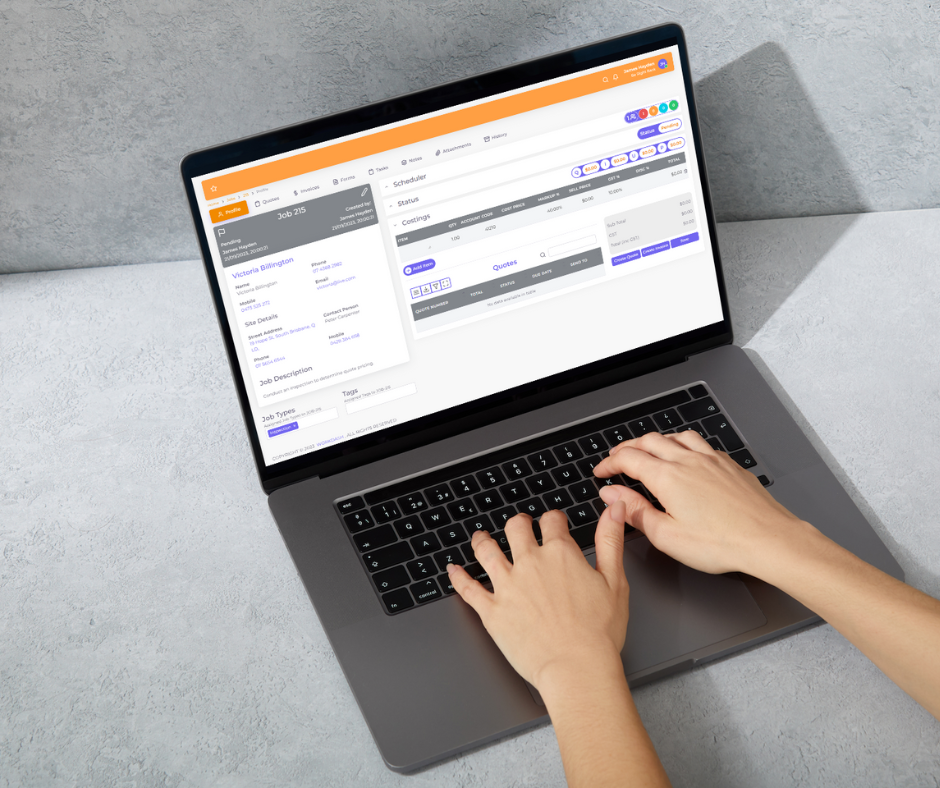
Use WorkDash to show how your workflow operates in practice—how jobs are created, updated, and closed. This helps new hires get context quickly and reduces the anxiety of starting a new job. A guided approach also helps you integrate people into your processes without overwhelming them.
Remember that onboarding is an aspect of onboarding that reflects your values. Introduce your company culture, explain “how we work,” and set expectations early. When people understand both the tool and the culture, they settle faster and perform better.
3. How Can You Use a Checklist and Workflow to Onboard Staff Faster?
A simple checklist is one of the most powerful onboarding tools you have. It turns an abstract plan into visible steps and ensures nothing is missed—from necessary documentation to system access and training sessions. Create an onboarding checklist in WorkDash that mirrors your real process and you’ll reduce friction for every new hire.
Tie the checklist to your workflow so tasks move in the right order: account setup, role permissions, tool orientation, and first assignment. This helps you streamline onboarding and gives managers confidence that each team member is progressing. It also supports consistency across teams, which is critical when you onboard staff at scale.
A checklist-driven approach also improves accountability. Everyone involved is involved in the onboarding process—HR, managers, and buddies—and each step is visible. That visibility makes onboarding seamless and repeatable, not dependent on memory or emails.
4. How Do You Help New Employees Feel Welcome and Part of the Company Culture?
Onboarding isn’t only about systems—it’s about people. The fastest way to build momentum is to help employees feel comfortable and supported. A thoughtful welcome, clear introductions, and a plan for the first week all help a new employee feel welcome and confident.
Use WorkDash to show how work flows, but also explain the “why” behind decisions. This helps people understand your company culture and part of the company they’re joining. When people see how their role fits into the bigger picture, they’re more likely to feel valued and motivated.
Small touches matter: a welcome message, a company buddy, and a simple plan for day one. These actions help new employees feel respected and reduce the stress of starting a new chapter in their career.
5. What Should Day One Look Like for a New Team Member in WorkDash?
Day one sets the tone for the entire onboarding experience. The goal is not to teach everything—it’s to remove anxiety, provide direction, and create quick wins. Start with access to WorkDash, a tour of the workspace, and a walkthrough of the most common actions.
Give the new team member a small, safe task they can complete in the system. This builds confidence and shows how the tool supports their new job. Pair that with an overview of policies like the privacy policy and any mandatory training so expectations are clear.
End the day with a check-in. Ask what’s unclear and what would help tomorrow. This feedback loop supports employee feedback and shows you’re serious about helping them succeed in their roles.
6. How Do You Get New Starters Up to Speed and Productive Within the First 90 Days?
The first 90-day window is critical. Research shows many people decide whether to stay in a role within the first few months. A strong plan helps a new hire get up to speed and avoid the common pitfall of feeling lost or underused.
Structure learning into stages: basics in week one, role depth in month one, and ownership by month three. Use role-specific training and job-specific examples inside WorkDash so learning stays relevant. This approach supports new hires get real experience instead of abstract theory.
Set milestones and celebrate progress. When people see they’re moving forward, keep new team members engaged and confident. This is how you reduce the risk of losing someone to another job within 90 days.
7. How Do HR Teams and Managers Share Responsibility in the Onboarding Process?
Great onboarding is a partnership. HR teams handle structure, compliance, and consistency, while managers deliver context, coaching, and performance expectations. Both must collaborate to ensure the onboarding process in place actually works in practice.
HR focuses on hr essentials—paperwork, policies, and the onboarding software setup—while managers focus on priorities, outcomes, and daily support. This division of responsibility keeps the entire onboarding journey balanced and efficient.
Clear roles also reduce confusion for the new hire’s experience. When support is coordinated, people know who to ask and what to expect. That clarity builds trust and accelerates adoption of WorkDash and your processes.
8. How Can Onboarding Software and Role-Specific Training Support Remote Work?
With remote work now common, onboarding must work without hallway conversations or desk-side help. This is where structured onboarding software and clear role-specific training make a real difference. Everything needs to be accessible, repeatable, and easy to follow.
Use WorkDash to centralize guides, videos, and tasks so new starters can learn at their own pace. Combine that with scheduled check-ins and live sessions to maintain human connection. This hybrid approach ensures no one feels isolated or behind.
Remote onboarding also benefits from documentation and recorded demos. It helps new team members revisit topics and familiarise themselves with processes without pressure. The result is faster confidence and fewer mistakes.
9. How Do You Foster Team Collaboration, Mentorship, and a Sense of Belonging?
Tools don’t replace relationships. To truly embed someone, you need team collaboration, mentorship, and a clear sense of belonging. Assign a company buddy who can answer informal questions and model best practices in WorkDash.
Encourage shared tasks, pair work, and reviews during the early weeks. This builds confidence and reinforces standards. It also supports employee engagement by showing that learning is a team sport, not a solo test.
When people feel supported, they’re more likely to ask questions, share ideas, and contribute. That environment foster growth and helps new team members become confident contributors faster.
10. How Do You Measure Success and Continuously Improve the Employee Onboarding Process?
Onboarding should evolve. Use surveys, check-ins, and performance data to understand what’s working and where people struggle. Look at time-to-productivity, early retention, and job satisfaction to gauge impact.
Collect employee feedback at multiple points—after week one, month one, and month three. This helps you refine your onboarding program and keep it aligned with real needs. Over time, you’ll build a library of best practices that suit your business.
Remember, onboarding is part of hiring and onboarding strategy, not a one-off event. When you continuously improve it, you attract top talent, reduce risk, and create a culture where people can thrive.
Key Takeaways: What to Remember
A clear onboarding process is essential for every new employee joining your team.
An effective onboarding plan accelerates learning and protects productivity.
Use a checklist and structured workflow to onboard staff consistently.
Help people feel welcome and understand your company culture from day one.
Break learning into stages across the onboarding period, including the first 90-day window.
Share responsibility between HR and managers for a balanced employee onboarding process.
Support remote work with clear resources and role-specific training.
Build team collaboration, mentorship, and a sense of belonging.
Gather employee feedback to improve your onboarding experience over time.
A strong onboarding approach helps people succeed in their roles, reduces turnover, and builds long-term performance.