
Property Maintenance Software: How It Works Alongside Property Management Software
Every rental property, office building and strata complex requires ongoing maintenance. From leaking taps and broken air conditioners to gutter cleaning, smoke alarm inspections, garden maintenance and urgent repairs, every task needs to be reported, scheduled, completed and invoiced.
For landlords, property managers and maintenance businesses, managing these responsibilities through emails, phone calls and spreadsheets can quickly become overwhelming.
Property maintenance software simplifies the entire process by bringing maintenance requests, work orders, scheduling, inspections, communication and invoicing into one centralised system.
But how does property maintenance software differ from traditional property management software? What features should businesses look for, and how can the right system improve day-to-day operations?
This guide explores everything landlords, property managers and maintenance teams need to know about property maintenance management software and how to choose the right solution.
Property Management Software vs Property Maintenance Software
Although these two types of software are closely related, they serve different operational purposes.
- Property management software: Helps landlords and property managers manage leases, rent collection, tenant communication, trust accounting and property portfolios.
- Property maintenance software: Focuses on coordinating and managing maintenance work, including receiving requests, creating work orders, assigning contractors, scheduling jobs, tracking progress and processing invoices.
For example, a property manager might use property management software to oversee rental agreements and communicate with tenants. When a tenant reports a leaking tap, the maintenance request can be passed to a maintenance business that uses dedicated maintenance management software to organise and complete the repair.
Many property management companies rely on one platform for leasing and financial administration while their maintenance contractors or in-house teams use another system to manage daily operations.
The most effective approach is to use systems that complement each other and provide clear communication between property managers, landlords and maintenance providers.
Modern cloud-based property management solutions handle leasing, financial records and tenant relationships, while dedicated maintenance management systems manage work orders, scheduling and field operations.
Whether you manage a single rental property or large property portfolios, the objective remains the same: keeping maintenance organised, ensuring tasks are completed on time and giving property owners confidence that their properties are properly maintained.
Who Uses Property Maintenance Software?
Property maintenance software is useful for a wide range of businesses and professionals responsible for maintaining residential and commercial properties.
- Property maintenance businesses: Companies providing repairs, cleaning, inspections and general maintenance services for property agencies and landlords.
- Facility management teams: Teams responsible for maintaining commercial buildings, offices, warehouses and other facilities.
- Strata and body corporate maintenance providers: Businesses coordinating repairs and ongoing maintenance across apartment complexes and shared properties.
- Landlords and property managers: Professionals managing maintenance requests and coordinating in-house maintenance teams or external contractors.
- Trade businesses: Plumbers, electricians, HVAC technicians and handymen completing regular maintenance work for property management companies.
Regardless of business size, having a centralised maintenance management system makes it easier to coordinate jobs, monitor progress and maintain accurate service records.
Key Features of Property Maintenance Software
The right property maintenance management system should support the entire maintenance workflow, from receiving an initial request to completing the job and sending an invoice.
1. Maintenance Requests and Work Order Management
Maintenance requests are the starting point of almost every property maintenance job.
A good system allows property managers, landlords or tenants to submit maintenance requests with relevant information, including:
- Property addresses and contact details.
- Descriptions of reported issues.
- Photos and supporting documents.
- Access instructions and preferred appointment times.
- Job priorities and urgency levels.
Once received, requests can be converted into work orders and assigned to the appropriate maintenance staff or contractors.
This creates a clear record of every job and reduces the risk of requests being overlooked.
2. Scheduling and Preventive Maintenance
Managing multiple maintenance jobs requires effective scheduling and coordination.
Maintenance software allows businesses to schedule upcoming jobs, allocate technicians and organise daily workloads.
It can also support recurring preventive maintenance tasks, such as:
- Smoke alarm testing.
- Air conditioning servicing.
- Gutter cleaning.
- Plumbing inspections.
- Garden and lawn maintenance.
- Routine building safety checks.
Instead of relying on manual reminders, businesses can schedule recurring maintenance activities in advance.
Preventive maintenance helps identify potential problems early, reduce unexpected breakdowns and extend the lifespan of property assets.
3. Inspections and Digital Forms
Property inspections and compliance checks often involve collecting photographs, completing checklists and documenting maintenance issues.
Digital forms allow maintenance teams to complete inspections directly from their mobile devices.
Staff can record inspection results, attach photographs, capture signatures and submit reports without carrying physical paperwork.
These digital records also make it easier for property managers and business owners to review completed inspections and access historical information when required.
4. Mobile Access for Maintenance Teams
Maintenance professionals spend much of their working day travelling between properties and completing jobs on-site.
A mobile-friendly maintenance management system gives field staff access to important job information wherever they are.
Useful mobile features include:
- Viewing assigned jobs and schedules.
- Accessing property details and entry instructions.
- Recording working hours and timesheets.
- Uploading job photographs.
- Completing digital inspection forms.
- Updating job statuses in real time.
- Recording materials and expenses.
GPS and route planning features can also help businesses organise technician travel and reduce unnecessary time spent travelling between properties.
5. Maintenance History and Asset Management
Every property contains assets that require ongoing servicing, inspection and occasional replacement.
These may include air conditioning units, hot water systems, electrical equipment, plumbing fixtures and other building infrastructure.
Property maintenance software can maintain detailed service histories for individual properties and their assets.
Having access to this information helps businesses:
- Identify recurring maintenance problems.
- Monitor asset condition and performance.
- Plan future servicing and replacements.
- Track maintenance costs.
- Maintain accurate property records.
Over time, these records support better asset management and more informed maintenance decisions.
6. Client Portals and Automated Communication
Property managers and landlords need regular updates about maintenance work, but constantly calling contractors for progress reports can waste valuable time.
A client portal provides a central place where customers can view job statuses, access reports and review relevant documents.
Automated notifications can also keep clients informed when:
- A maintenance request is received.
- A job is scheduled.
- A technician is assigned.
- Work is completed.
- An invoice is issued.
Better communication reduces unnecessary follow-ups and helps build stronger relationships between maintenance providers and their clients.
7. Quotes and Invoicing
Managing quotes, approvals and invoices is another important part of property maintenance operations.
Maintenance management software helps businesses prepare quotes, submit them for approval, generate invoices and track outstanding payments.
It also provides better visibility into job costs, labour expenses and materials used.
For businesses working with multiple property agencies and landlords, having an organised invoicing process makes financial administration considerably easier.
Benefits of Maintenance Management Software
Implementing property maintenance software can improve efficiency across the entire maintenance operation.
- Faster maintenance response times: Requests can be recorded, prioritised and assigned without relying on lengthy email conversations or manual coordination.
- Improved tenant satisfaction: Timely repairs and clear communication help create a better experience for tenants and property occupants.
- Greater operational efficiency: Automating scheduling, job allocation, reporting and invoicing reduces administrative work and allows teams to focus on completing maintenance tasks.
- Accurate maintenance records: Centralised job histories, inspection reports and photographs provide reliable documentation for property managers, landlords and maintenance businesses.
- Reduced maintenance costs: Preventive maintenance helps identify potential problems before they develop into expensive repairs or equipment failures.
- Better visibility and accountability: Business owners and property managers can monitor job progress, track staff workloads and understand which tasks have been completed or require attention.
How to Choose the Best Property Maintenance Management System
Choosing the right property maintenance management system depends on your business size, operational requirements and the type of properties you service.
Rather than selecting software based on the number of features available, focus on whether it solves your actual maintenance management challenges.
Here are some important questions to consider:
- Does it support reactive and preventive maintenance? Make sure the system can manage urgent repair requests as well as recurring maintenance schedules.
- Can property managers and clients access job updates? Look for client portals and automated notifications that improve communication.
- Does it offer mobile access? Field technicians should be able to manage jobs, complete forms and update timesheets from their phones.
- Can you manage assets and maintenance histories? Property and asset records help businesses plan servicing and monitor recurring issues.
- Does it integrate with accounting software? Integrations with platforms such as Xero can simplify invoicing and financial administration.
- Is it cloud-based and secure? Cloud-based systems allow authorised users to access information from different locations while maintaining appropriate data security.
- Can it grow with your business? Choose a solution that can support additional staff, clients, properties and maintenance jobs as your operations expand.
The ideal solution should simplify existing workflows rather than introduce unnecessary complexity.
How WorkDash Helps Property Maintenance Businesses
For Australian property maintenance businesses, managing multiple clients, properties, contractors and maintenance schedules requires more than basic job tracking.
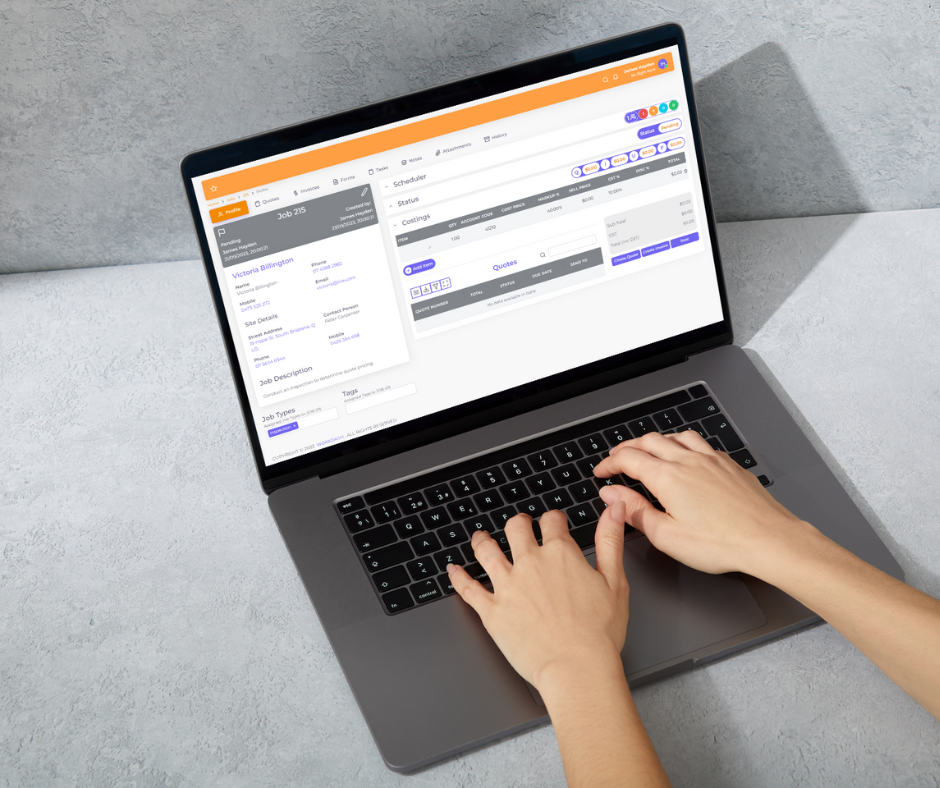
WorkDash is a job management platform designed for Australian service businesses, including property maintenance companies working with real estate agencies, landlords, strata managers and commercial property owners.
It brings essential operational tools together to help businesses manage their maintenance workflows more efficiently.
With WorkDash, businesses can:
- Manage maintenance requests and work orders: Keep maintenance jobs organised from the initial request through to completion.
- Schedule recurring maintenance: Plan routine servicing and recurring maintenance activities without relying on manual reminders.
- Coordinate field teams: Use the mobile app, timesheets and GPS route planning to organise technicians and daily workloads.
- Complete digital inspections: Create and manage digital forms for property inspections, maintenance reports and other field activities.
- Manage property assets: Maintain asset records and track servicing and maintenance activities.
- Monitor job costs: Track labour, materials and other expenses to understand job profitability.
- Improve client communication: Give customers access to relevant job information through a dedicated client portal.
- Simplify invoicing: Manage quotes and invoices with Xero integration.
By bringing these capabilities into one platform, WorkDash helps property maintenance businesses reduce administrative work, improve coordination and maintain better visibility across their operations.
Looking to streamline your property maintenance operations?
Book a free WorkDash demo and discover how a dedicated job management platform can help your business manage maintenance requests, coordinate field teams and deliver better service to your clients.
Explore WorkDash and see how it can support your maintenance operations.
Frequently Asked Questions About Property Maintenance Software
Can tenants submit maintenance requests directly?
Yes, depending on the software and the workflow established by the property management company. Some systems allow tenants to submit requests directly through an online portal, while others require tenants to contact their property manager first.
Is property maintenance software only suitable for large property portfolios?
No. Property maintenance software can benefit businesses managing a small number of properties just as much as organisations responsible for large portfolios. Even smaller maintenance teams can benefit from organised work orders, scheduling and centralised records.
Does property maintenance software replace property management software?
No. Property maintenance software complements property management software rather than replacing it. Property management platforms focus on leasing, rent collection and financial administration, while maintenance systems handle repairs, work orders, scheduling and maintenance operations.
What is the difference between maintenance management software and job management software?
Maintenance management software focuses on organising maintenance activities, including work orders, preventive servicing, inspections and asset records. Job management software generally covers a broader range of operational activities, including scheduling, staff allocation, timesheets, job costing, customer communication and invoicing. Many modern platforms combine both capabilities.
Can property maintenance software integrate with accounting software?
Many modern maintenance management platforms offer integrations with accounting solutions such as Xero. These integrations help businesses streamline invoicing, manage financial records and reduce manual data entry.
Is cloud-based property maintenance software better?
Cloud-based software allows authorised users to access maintenance information from different locations and devices. This is particularly useful for businesses with field technicians, office administrators and clients who need access to up-to-date job information.
Final Thoughts
Managing property maintenance involves much more than organising occasional repairs. It requires consistent communication, effective scheduling, accurate records and coordination between property managers, landlords and maintenance professionals.
Property maintenance software brings these activities together in one organised system, helping businesses improve efficiency, reduce administrative workloads and deliver more reliable maintenance services.
Whether you operate a small maintenance business or manage a large team servicing multiple properties, investing in the right maintenance management solution can make a significant difference to your daily operations.
With a platform like WorkDash, Australian service businesses can manage their maintenance workflows, coordinate field teams and keep their clients informed from one central location.